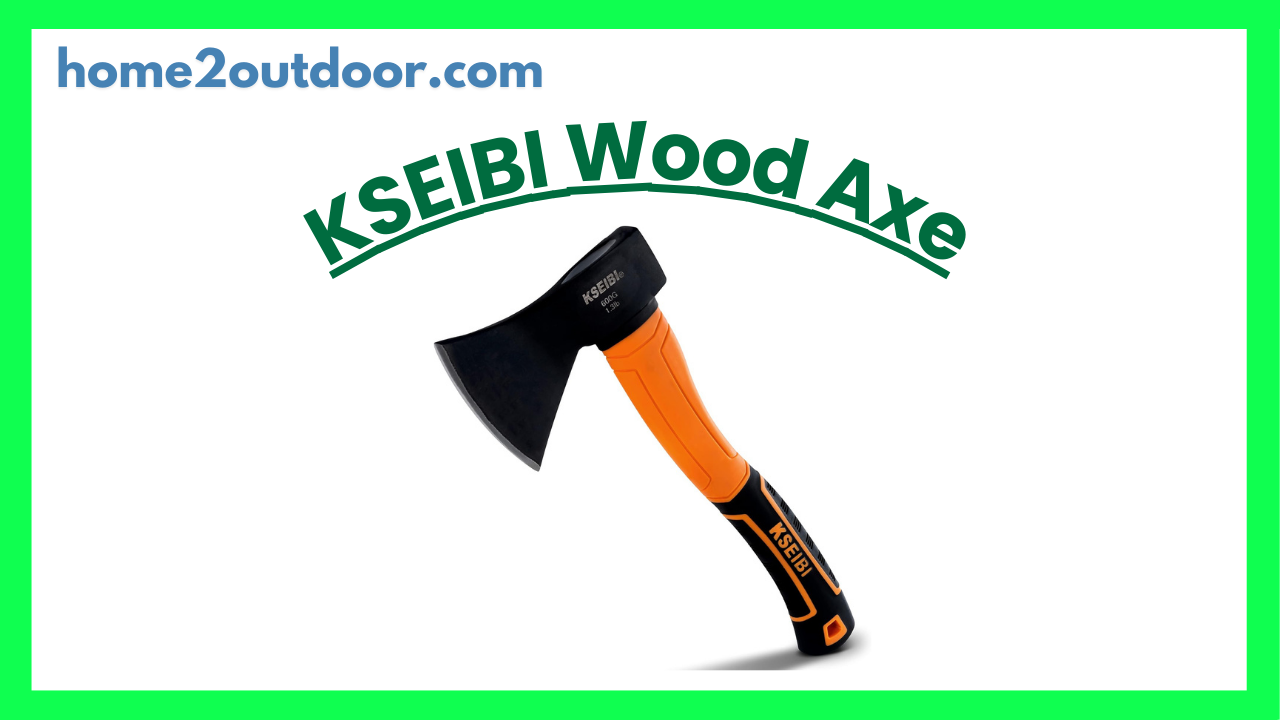
The KSEIBI Wood Axe, often sold as a compact 14-inch hatchet, is a highly popular option for buyers looking for an extremely budget-friendly tool for light camp or backyard tasks. However, its performance and quality are highly dependent on user expectations and workload.
At a Glance
| Feature | Assessment | Notes |
|---|---|---|
| Intended Use | Light Camping / Kindling | Ideal for small branches and making kindling. |
| Size/Weight | Compact & Portable | 14-inch handle, approx. 2.5 lbs (depending on model). |
| Build Material | Drop-Forged Steel & Wood/Fiberglass | Quality control on head-to-handle connection is often reported as inconsistent. |
| Best For | Occasional use, beginners, small firewood processing. | |
| Not For | Heavy splitting, professional use, frequent or rigorous work. |
Detailed Breakdown
1. Design and Portability (Pros)
The main selling point of the KSEIBI axe is its compact size. At around 14 inches long and 2.5 pounds, it is very easy to pack for camping or hiking trips. For single-handed operations like delimbing small saplings or processing existing firewood into kindling, the size and weight offer good maneuverability. The head is typically made from drop-forged, heat-treated steel, and it comes factory sharpened.
2. Performance (Mixed)
When first unboxed, the axe is generally capable of chopping small, dry wood. However, many users report that the factory edge, while sharp enough, may require further refinement to be effective for true splitting tasks.
Its narrow head geometry and light weight mean it is designed for chopping, not splitting large logs. Attempting to split anything over four to five inches in diameter will be a struggle.
3. Durability and Quality Control (Cons)
This is the most critical area of concern. Due to its budget nature, the KSEIBI often suffers from inconsistent quality control:
- Handle/Head Failure: Numerous reports cite the axe head becoming loose, wobbly, or even completely separating from the handle after minimal or moderate use. This is a significant safety risk.
- Steel Softness: The steel used is often considered soft. The cutting edge tends to dull quickly and is prone to edge rollover or chipping when hitting knots or harder wood, meaning frequent sharpening is required.
- Handle Quality: Whether the model has a wooden or a fiberglass handle, users often report poor fit and finish, with wooden handles sometimes featuring loose epoxy/glue and fiberglass handles being awkwardly shaped or clunky to grip.
Final Verdict
The KSEIBI Wood Axe is a classic case of “you get what you pay for.”
If you need a tool for very occasional, light-duty tasks like chopping kindling for a backyard fire pit, and you are prepared to perform an immediate, thorough sharpening and possibly re-handle the axe yourself, it might be an acceptable, ultra-low-cost option.
However, if you rely on an axe for dependable performance, particularly in a backcountry or survival scenario, the documented quality control issues related to the head attachment and the soft steel make this tool not recommendable. We strongly advise investing slightly more in a reputable brand for a tool that prioritizes user safety and durability.