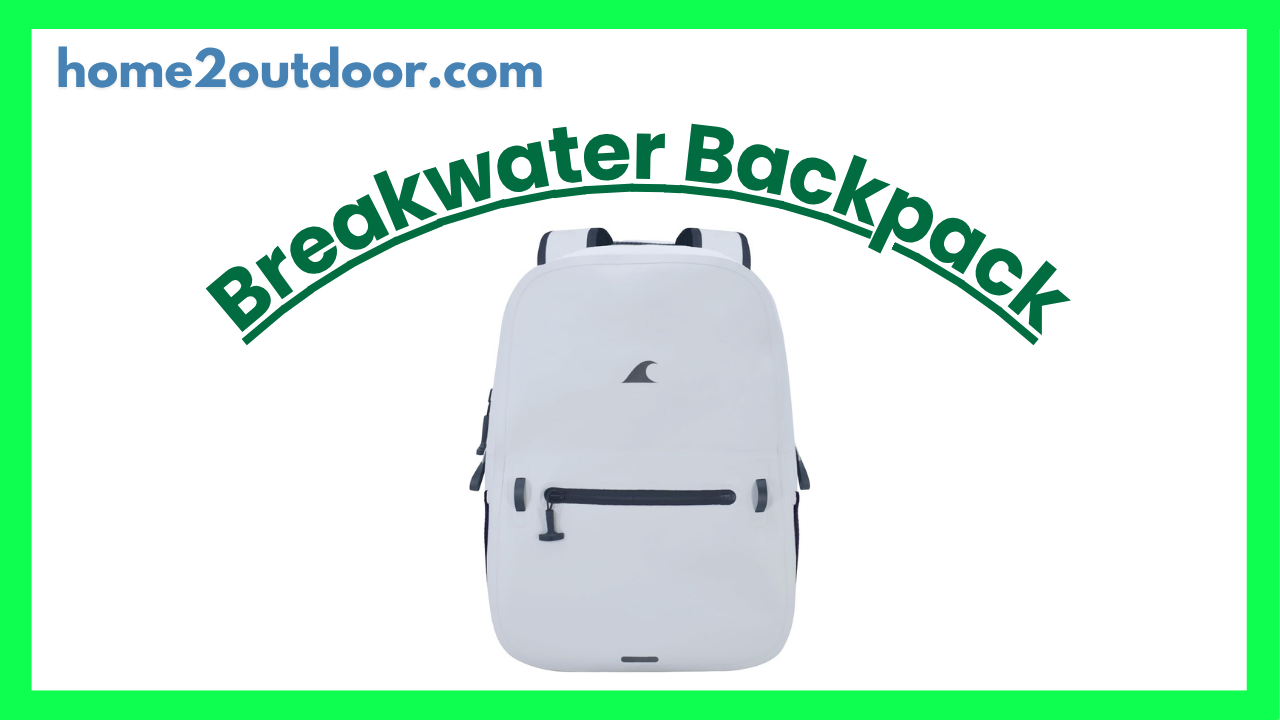
Here’s a review of the Breakwater Supply™ Waterproof / IP68 Submersible Backpack (often known by model names like Fogland, River Ute, etc.), based on specs, tests, and user feedback. (“Breakwater Supply submersible backpack” will be the shorthand I’ll use.)
🔍 What It Is / Key Specs
Before diving into pros & cons, here’s a summary of what this backpack claims to offer:
- The pack is built to full IP68 waterproof / submersible standard, meaning it can be submerged and resist water ingress.
- Uses Hydrowall TPU / TPU-coated materials (some versions also use CORDURA ripstop) with welded seams and airtight zippers.
- Comes in several sizes (e.g. 20 L “River Ute” model) with a relatively compact form factor.
- Features include a padded, removable hip belt, lash/gear attachment points, ergonomic shoulder straps, and fast-drying padding.
- The “Fogland” variant is more of a daypack style version, aiming for a balance between waterproofing and daily usability.
- On Amazon, the backpack has many customer reviews (4.6 / 5) praising waterproofing and build, though noting stiff zippers early on.
✅ Strengths & What Works Well
From tests, user feedback, and expert reviews, the Breakwater submersible backpack shows several strong points:
- Very Good Waterproofing / Submersibility
- In tests (rain, hoses, immersion), many users report zero water intrusion when the zippers are fully sealed and locked.
- One Reddit user said: “I tried to fully submerge it but could not. Everything inside was 100% dry.”
- The design (welded seams, TPU coating, airtight zippers) supports the waterproof claims.
- Solid Build, Rugged Materials
- The use of TPU-coated fabrics, and in some models reinforced with CORDURA, gives it good abrasion resistance and toughness.
- The backpack is described as “tough” in reviews, with good craftsmanship.
- Useful Design & Features
- Attachment points, lash tabs, external loops help carry extra gear (tripods, hiking poles, etc.).
- Removable / padded hip belt lets you shift load more comfortably.
- The “Fogland” variant includes extra pockets and aims to function as a usable everyday/adventure pack, not just a pure dry bag.
- Comfort Is Decent for Its Class
- For a fully waterproof, submersible bag, its comfort is respectable. In tests, reviewers noted it is more comfortable than many others of its kind.
- The pack is reasonable in weight and ergonomics, so it can serve for daily or water‑based adventures.
- Customer Support & Reputation
- Some users report that when they had issues (faulty zippers, etc.), Breakwater Supply’s support was responsive and replaced or repaired gear.
- The brand’s claims and design seem backed by credible materials and testing, not just marketing jargon.
⚠️ Limitations, Drawbacks & What to Watch Out For
No product is perfect. Here are the caveats and areas where the bag is weaker or compromises have been made:
- Stiff / Hard to Use Zippers (Especially at First)
- Many users mention that the airtight zippers are stiff initially, requiring two hands, lubricant, or time to “break in.”
- One user reported that after 3 months, the front zipper started leaking slightly under pressure.
- Limited for Technical Hiking / Heavy Loads
- The backpack is not designed like a technical mountaineering pack: no internal frame, limited ventilation, basic back panel. Reviewers caution against expecting it to match high-end hiking packs.
- One review’s “cons” include that it’s “not a technical hiking pack” and water bottle pockets can only hold small bottles.
- Bottle Pockets / External Storage are Limited
- Some criticism is made that the side pockets can only take smaller bottles, not full-size hiking bottles.
- Because of the waterproof design, external pockets or attachments are necessarily limited or constrained.
- Cost & Value
- It’s more expensive than standard waterproof or water-resistant backpacks. Some users debate whether all its advanced features are worth the price.
- The “value” score in some reviews is moderate because of the premium cost and niche use case.
- Rigid / Stiff Material Feel
- Because it is built to be airtight and durable, the shell is somewhat stiff. That can make packing awkward and reduce flexibility.
- In tight spaces or when compressing gear, it might not conform as well as soft packs.
- Limited Availability / Variants
- Depending on region, the specific model you want (size, color) might not be in stock or may incur shipping issues. Reviewers mention availability challenges.
- Warranty or servicing may be harder to enforce outside the brand’s home market.
🛠 Tips & Suggestions for Best Use
If you go ahead and use this pack (or if you’re evaluating), here are practical tips:
- Always test your bud’s waterproof performance before trusting critical gear (e.g. submerge with non‑essential items).
- Use the zipper lubricant (if provided) and break in the zippers gradually.
- Distribute weight carefully: heavier items close to the back panel, lighter ones in external pockets.
- If carrying large water bottles, consider carrying them externally (on MOLLE/lash points) rather than relying on the built‑in pockets.
- Use internal dry sacks or pouches for extra organization (since internal compartments are limited).
- Rinse and dry after use in saltwater or mud to preserve materials and zippers.
🧭 Final Verdict
If you’re looking for a true submersible, waterproof backpack (not just water-resistant or splash-proof), the Breakwater Supply submersible / IP68 models are among the stronger options available right now. They strike a solid balance between rugged protection and practical usability.
For water sports, boating, kayaking, fishing, or travel in wet conditions, this bag is compelling: the waterproofing is well-supported in tests and reviews, the build is durable, and features are thoughtful for the niche use. However, it’s not ideal as a substitute for a technical hiking pack or for heavy trekking where ventilation, load support, or flexibility matters more.
If I were rating it, I’d give it around 4.0 to 4.5 out of 5, knocking off points mostly for zipper stiffness, cost, and some compromises for hiking use.