Here’s a detailed breakdown of the Ring Alarm Glass Break Sensor — how it works, its features, what people like / dislike, and what to check if you use one. If you want, I can also compare it with similar sensors in your local market.
What It Is
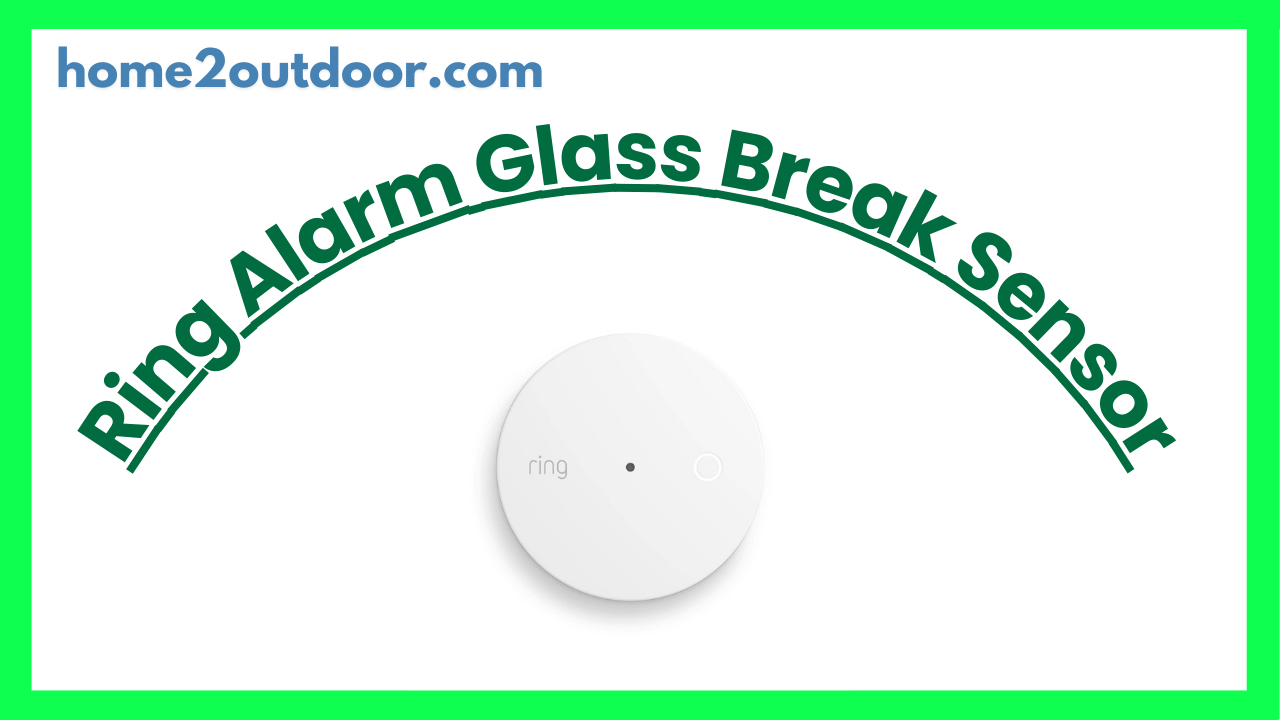
The Ring Alarm Glass Break Sensor is a security accessory for the Ring Alarm / Alarm Pro system. It listens for the sounds associated with glass breaking (impact + shattering), and when it detects that, it can trigger the alarm, send alerts, and/or cause connected cameras or sirens to respond.
It cannot work by itself — it needs the Ring Alarm base station or Alarm Pro.
Key Features & Specs
Here are the technical specs and features:
| Spec / Feature | Details |
|---|---|
| Detection Range | Up to 25 feet (~7.6 meters) from breaking glass. The sensor can cover multiple windows depending on positioning. |
| Power Source | Uses 3 AA alkaline batteries (these are included) |
| Battery Life | Estimated up to 3 years under typical usage. Battery life depends on settings, usage, environment, etc. |
| Connectivity | Z‑Wave protocol to communicate with the Ring Base Station. It has a line‑of‑sight range of about 250 feet to the base station. |
| Dimensions / Weight | About 3.78 in (≈9.6 cm) in diameter, 0.96 in (≈2.45 cm) in height; weighs ≈ 5.7 oz (~162.5 g) |
| Operating Temperature | Between 32°F to 120°F (0°C to 49°C) indoor usage. |
| Mounting Options | Can be mounted on the wall, ceiling, or placed on a shelf (or furniture) so long as it’s within range of the glass and within Z‑Wave range to the base station. Mount height suggestions are ~7 feet (≈2.1‑2.4m) or more. |
| Modes / Settings | You can choose which “Alarm Mode” states this sensor is active in (Home, Away, etc.), as well as a “Power Save Mode” which limits detection to when system is armed (extends battery life). |
What’s Good / Strengths
Here are the positives people report or what the sensor seems strong at:
- Good coverage for many windows from one sensor: Because of the 25 ft detection radius, one sensor can monitor several windows depending on room layout.
- AI / sound‑pattern detection: The sensor is designed to be smart about distinguishing actual breaking glass (impact + shatter) from many other noises (dishes dropping, etc.), which helps reduce false alarms.
- Long battery life: Up to 3 years is good if usage is moderate. The “Power Save Mode” helps preserve battery.
- Integration with Ring ecosystem: If you have Ring cameras, sirens, etc., the sensor can trigger them (for example, start recording, or sound your siren) when a break is detected.
- Flexible mounting: Multiple mounting options (ceiling, wall, furniture) make it easier to find a good spot.
Limitations / Weaknesses / What Users Report
Some of the concerns or trade‑offs:
- False alarms still possible: Some users report alarms triggered by loud noises that mimic glass break sounds (e.g. objects falling, pets, banging). It doesn’t always perfectly reject non‑glass‑break noise.
- Requires Ring Alarm base station: If you don’t have a Ring Alarm or Alarm Pro already, you’ll need that, which adds cost. It cannot function stand‑alone.
- Battery life depends heavily on settings & environment: If you disable “Power Save Mode” or leave it “listening” constantly, battery drains faster. Also, extreme cold/hot environments may shorten battery life.
- Placement critical: To work well, mounting height/distance from glass/sound path matters. If obstructed, or too far, detection may be poor.
- No video proof built in: It detects sound but doesn’t have a camera—it triggers other devices if you have them; otherwise you only get audio‑based detection / alert. If you want visual confirmation, you’ll need a camera.
Best Practices for Use
To get the best from the Ring Glass Break Sensor, here are some tips:
- Mount it correctly: At least ~7 feet off the ground, within ~25 feet (7‑8 meters) of glass surfaces. Ceiling or high wall positions tend to work better.
- Use screws or anchors on rough surfaces: Adhesive is okay for smooth, clean surfaces; for ceilings or textured walls, screws/anchors are more reliable.
- Enable Power Save Mode (default): Unless you have a reason to always have the sensor “listening”, this mode helps significantly with battery life. Disable only if needed.
- Test occasionally (safely): Use known glass break testing (if possible) or professional tools. But note: Ring advises that phone/recording audio playback is often not sufficient to test correctly.
- Ensure base station is nearby / strong signal: Because it uses Z‑Wave, signal strength matters. If the sensor can’t reliably reach the base station due to distance or walls, its alerts may lag or fail. Use range extenders if needed.
Use Case Suitability
This sensor is especially suited for:
- Homes with many glass windows or doors, especially vulnerable windows.
- Additional security layer beyond door/window contact sensors (because breaking glass can bypass contact sensors).
- Ring users who have a Ring Alarm / Pro base station and maybe cameras/sirens; the sensor enhances whole‑home security.
Less ideal if:
- You don’t have a Ring Alarm / base station (then it can’t function).
- You want video proof by the sensor itself.
- Batteries / maintenance are hard to manage, or you want devices that are plug‑in.
- Your environment is very noisy / has many loud bangs / children / pets etc., causing risk of false triggers