Here’s a breakdown of the VNIMTI Garden Fork (and related VNIMTI pitch/garden forks) — what it is, its features, what it’s good for, and things to watch out for. If you like, I can also check how suitable it is for the soil/conditions in Bangladesh.
🔍 What is the VNIMTI Garden Fork
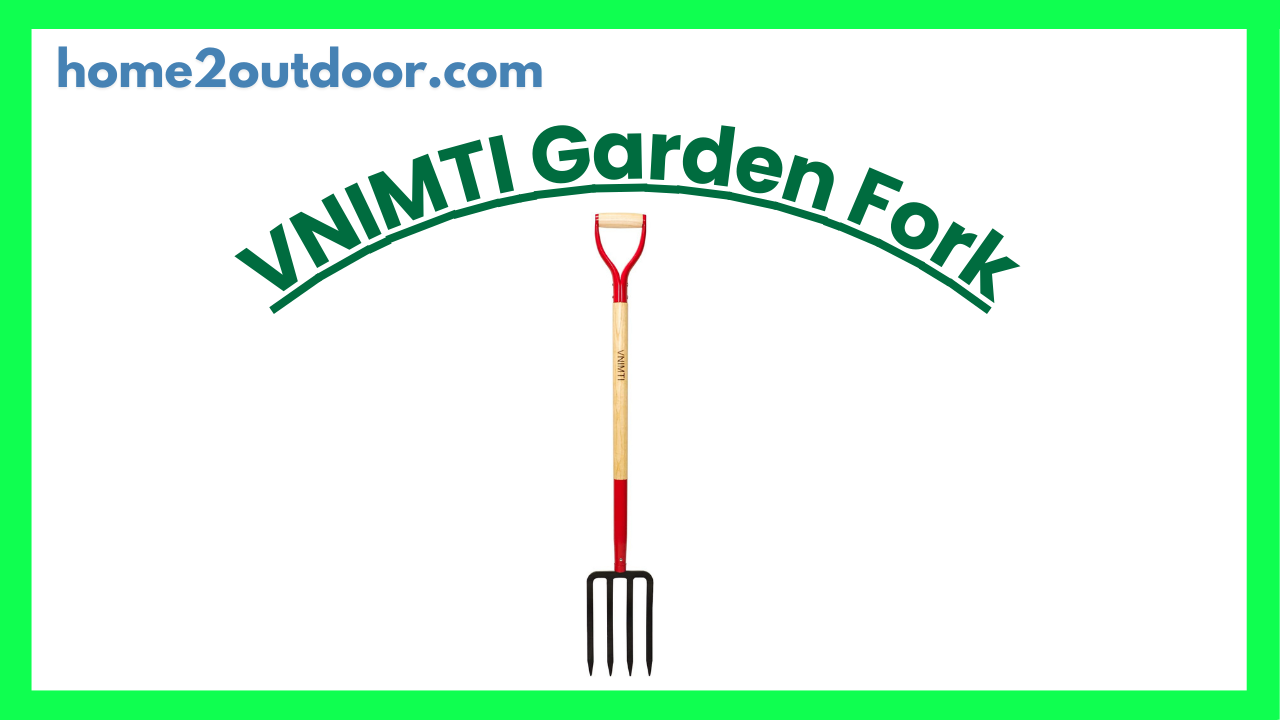
VNIMTI is a brand of gardening tools, and the VNIMTI Garden Fork is a heavy‑duty fork (also called a “spading fork” or “digging fork”) designed to dig, loosen soil, turn compost, transplant root crops, and similar tasks in gardens.
There are a few variants (differing in tine count, handle type, etc.).
⚙ Key Specifications & Features
Here are some of the specs based on their listings:
| Model / Variant | Material (Tines & head) | Handle Type & Material | Length / Size | Weight | Notable Features |
|---|---|---|---|---|---|
| 4‑tine version, wooden handle, Y‑Grip | Steel (high strength, often “steel digging fork,” may be high‑carbon steel), roll‑forged one‑piece head in some listings. | Wooden handle (hardwood, e.g. ash) + metal Y‑Grip on top. Ubuy+2vnimti.com+2 | ~45 inches total length (~116 cm) | ~4.4‑4.5 lbs (~2.0‑2.1 kg) | Four tines; tines are described as sharp V‑shaped; handle design (Y‑grip) gives better leverage; metal parts often coated for rust resistance; usability in compost, soil loosening, etc. |
| 5‑tine version, fiberglass handle | High carbon steel for head; fiberglass handle with non‑slip grips. | Fiberglass handle, thickened with two non‑slip grips | ~58 inches length (~147 cm) in that variant. | ~3.7 lbs (~1.7 kg) in that longer 5‑tine version. | Good for moving lighter materials (hay, manure, compost), longer reach, less bending needed. But given longer handle, might be more unwieldy in tight spaces. |
✅ What It’s Good For
From user reviews and product descriptions:
- Loosening hard soil, turning over beds, digging root vegetables (potatoes etc.).
- Flipping or turning compost piles.
- Removing bulbs, transplants, harvesting root crops with minimal cutting or damage.
- Using in soil with stones or tougher terrain — the sturdy steel and roll‑forged head help resist bending.
People appreciate its durability, good leverage from the handle length, and the value (quality vs price).
⚠ What to Consider / Limitations
- It’s moderately heavy (≈4.4‑4.5 lbs for the 45‑inch version). For some people, especially those not as strong, this might become tiring with extended use.
- The length is good for leverage and to avoid bending over too much, but in smaller garden plots, or tighter spaces, a long tool may be harder to maneuver.
- Wooden handle versions require maintenance: wood can degrade over time (splinter, crack, rot) if left in wet conditions or stored poorly.
- The metal parts, though rust-coated, will still require care (cleaning off soil, drying) to avoid corrosion, especially in humid climates.
- The 5‑tine longer version is lighter, but the longer handle could make it harder to store or transport.
💡 Best vs Less‑Ideal Use Cases
Best for:
- Medium to large sized gardens or yards with soil that needs regular turning or aeration.
- Composting operations or gardeners who do frequent digging or soil cultivation.
- Gardeners who want a durable, long-lasting tool rather than cheap replacements.
Less Ideal for:
- Very small gardens, container gardens, balcony gardens, where smaller tools are more appropriate.
- For people needing very lightweight tools (elderly, limited strength) — the weight and size might be taxing.
- If you need precision in tight spaces, edges, around plant roots etc., then smaller forks, hand tools might be more fitting.