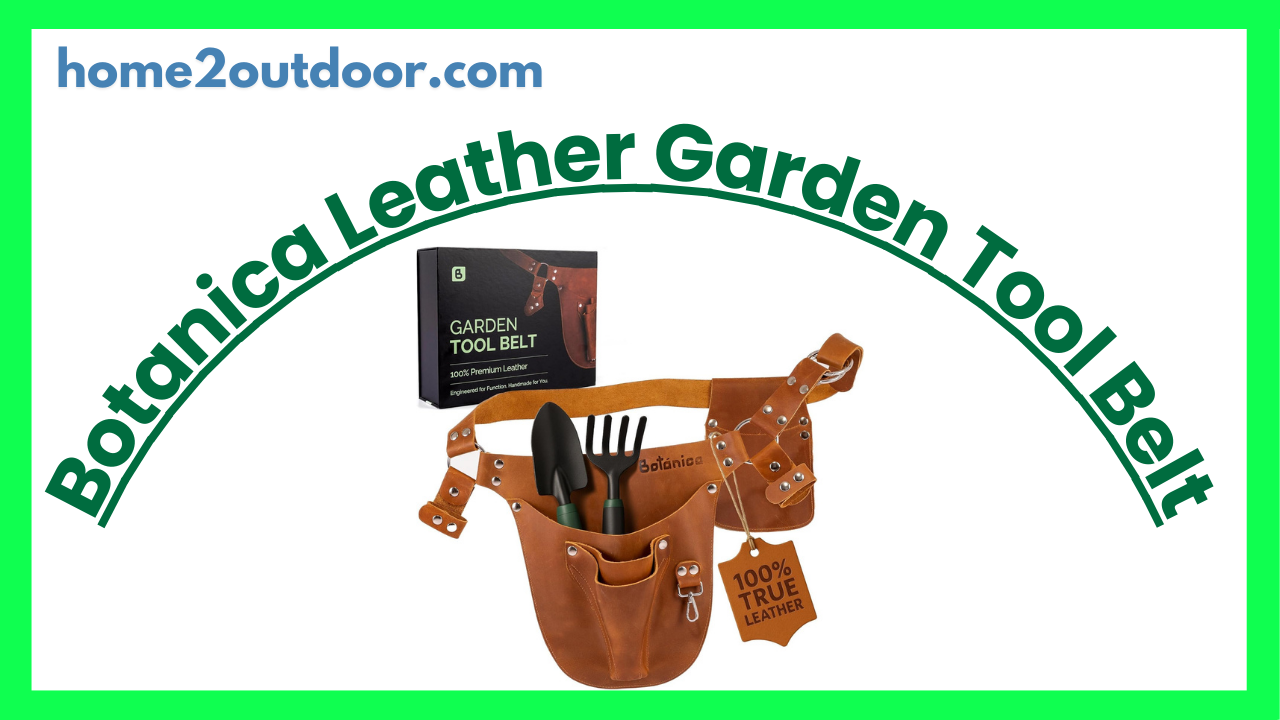
A leather garden tool belt has several advantages (and a few trade‑offs). Here’s a breakdown of the benefits, plus what to watch out for so you can decide if it’s worth having one.
Key Benefits of a Leather Garden Tool Belt
- Hands‑free convenience
You can carry your tools around your waist rather than holding them, putting them in pockets, or going back and forth to a tool shed. This saves time and reduces interruptions while you work. - Better organization
Multiple pockets, loops, and holsters let you assign specific places for pruners, trowels, gloves, marker pens, seed packets, etc. Having them organized means less fumbling, less lost tools. - Durability and longevity
Quality leather (especially thicker full‑grain or vegetable‑tanned leather) is rugged. It resists tearing, abrasion, and many wear points better than many synthetic or fabric belts. If well maintained, a good leather belt can last many years. - Sturdiness
The rigid nature of leather gives enough shape and support to hold heavier tools without sagging too much. Also, leather handles stable loads better than flimsy fabric which may stretch or lose form under weight. - Comfort when designed well
A good leather belt spreads weight comparatively well around your waist or hips. It reduces strain on hands, arms, shoulders, and avoids having to carry tools in pockets (which can dig into legs or back). - Weather resistance (to a degree)
While leather isn’t impervious to water, good quality leather when treated can resist moisture, and it doesn’t shred or fray the way many fabrics might when exposed to sharp edges or rough soil. Also less likely to get torn by thorns or sharp tool edges. - Aesthetic appeal
Leather has a classic, rugged look. A leather tool belt tends to look more “premium” or stylish. If you value not just function but also appearance, it can be more satisfying than fabric/synthetic belts. - Better support for heavier loads
If you’re carrying heavier or more/sturdier tools (e.g. large shears, trowels, a heavy knife, etc.), leather belts often carry these more securely without distorting or wearing out fast.
Things to Watch Out / Trade‑offs
To get full benefit, there are some downsides or maintenance that come along:
- Weight: The belt itself is heavier than some fabric or nylon versions. Add tools, pockets, etc., and it can be pretty heavy.
- Cost: Good leather with solid stitching, hardware, craftsmanship tends to cost more than synthetic alternatives.
- Maintenance: Leather needs care: cleaning, conditioning, drying if wet. If neglected, it can crack, stiffen, or get moldy.
- Comfort issues if poorly designed: If pockets are mis‑positioned, or belts don’t distribute weight well, tools can bounce or dig into you when moving about.
- Water damage / weather exposure: While treated leather resists moisture, continuous exposure to rain, sun, or very damp conditions can degrade some leathers. If wet, it should be dried properly.