
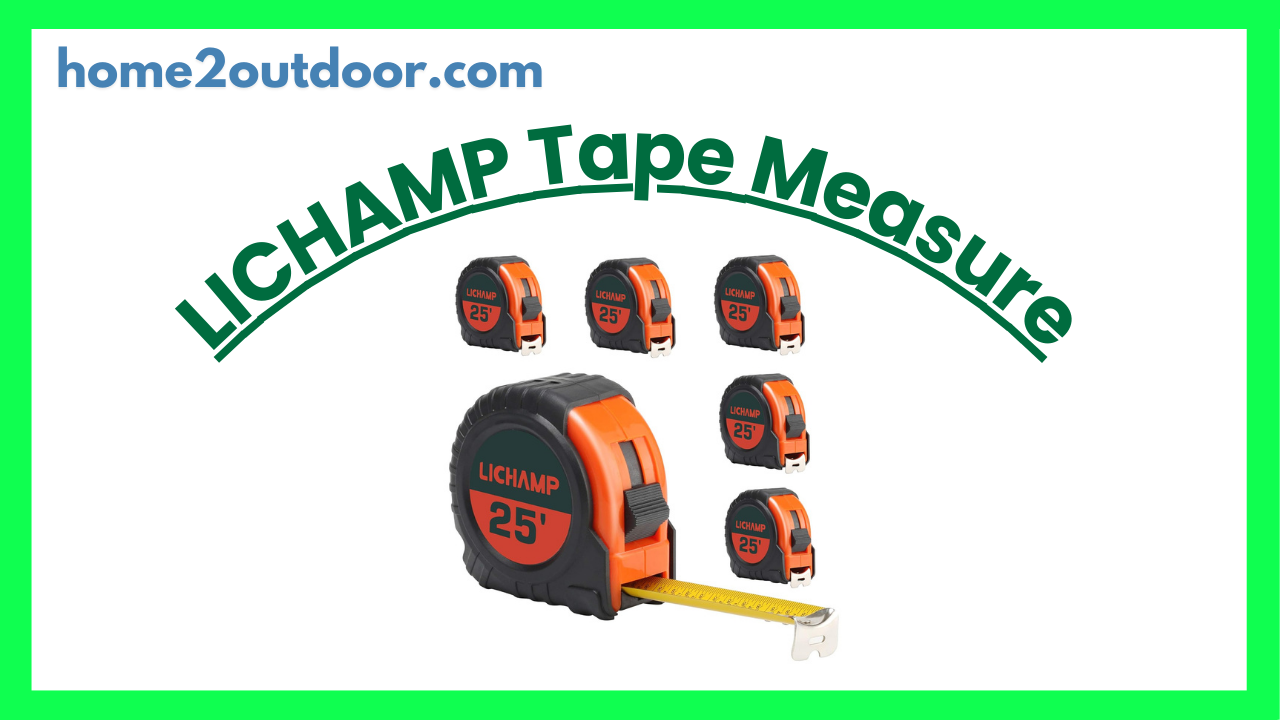
Here’s a summary of what I found out about the LICHAMP Tape Measure line — what they offer, strengths & weaknesses, and whether it’s a good fit depending on what you need.
What LICHAMP Tape Measures Are Like
LICHAMP offers a variety of tape measures in different lengths, pack sizes, and styles. Some features are fairly consistent across their range. Here are some common specs & details:
| Model / Variant | Features / Specs |
|---|---|
| 25 ft / 6‑pack “magnetic” chrome retractable | 25 ft length, 1‑inch width blade, 1/8‑inch fraction graduations. Round/Chrome‑finished body. Includes magnetic tip. Three‑point riveted end hook. Bulk 6‑pack. |
| 16 ft / 6‑pack | 16 ft length, ¾‑inch width blade, 1/8‑inch fractions. Yellow blade, black size pattern. Durable nylon/steel blade coating. |
| 12 ft / 8‑pack | 12 ft length, ½‑inch width blade. Similar style: retractable, fraction marks, bulk pack |
| 29.5 ft / metric‑fractional combo | ~9 m (≈29.5 ft), 1‑inch blade width. Suits metric + imperial fractional usage. |
| Long open‑reel / survey‑type (165 ft / 50 m) | Steel tape, dual SAE + metric gradations, tip‑spike for stakes/ground, ABS shell / non‑slip grips. For measuring large distances, field use. |
What Looks Good (Pros)
Here are the strengths of LICHAMP tape measures based on what people say and what the product specs show:
- Variety & Bulk Options
You can get them in packs (6‑pack, 8‑pack, etc.), which is good if you need multiple tapes (for crews, classrooms, teams, or having spares). Bulk means lower cost per unit. - Decent Features for Price
- Many have fractional graduations (1/8 inch etc.), which is good for fine work.
- Several variants have durable blade coatings (nylon or protective finish) and rivet‑reinforced end hooks to withstand repeated use.
- Some have magnetic tips (helpful for attaching to metal surfaces) or metric/imperial dual scale.
- Grip & Visibility
Many have contrast printing (black/red on white or black on yellow) so the markings are easier to read. Some cases are shell‑style with belt clips. - Long‑Distance Models
For large scale work (surveys, long site measurements), the 50 m (165 ft) open‑reel model looks pretty good: steel reinforced tape, metric + SAE, good housing etc.
What to Watch Out For (Cons / Limitations)
While decent for the money, there are trade‑offs, as with most lower/mid‑range brands. Here are the potential weak spots:
- Durability under heavy use
Some reviews (especially of the longer tapes) suggest the body / housing is less tough than premium tools; plastic shells may get damaged if dropped or exposed to harsh environments. - Lock & Retraction Issues
In cheaper tape measures, locks may not hold as firmly, or retraction might get jerky or the tape might retract too quickly. Some user feedback indicates this for certain Lichamp models. - Blade Rigidity (“Stand‑out”)
For longer blades, one key measure is how far you can extend the blade unsupported (stand‑out). If the tape is too thin or not rigid, it bends under its own weight which reduces accuracy in long spans. - Marking / Printing Quality
Over time, lower‑grade inks or coatings may fade. If used outdoors, in wet/dusty/muddy conditions, the markings may become hard to see. Some models have yellow background, which is good, but others may be less vibrant. - Comfort / Ergonomics
The case design on budget models tends to be simpler, sometimes without large rubber overmolding for impact protection or grip. If you use it a lot, grip, thumb lock ease, belt clip quality matter, and LICHAMP may lag here compared to more premium names. - Accuracy & Calibration
For most home / DIY uses this is fine; but if you need very precise measurements (carpentry with joints, cabinetry, metal work), the cheaper tapes might have small errors. Also, metric‑imperial conversion or the hook’s thickness needs to be accounted for. Premium tapes often calibrate more carefully.
Who It’s Good For
LICHAMP tape measures seem well‑suited if you:
- Need economical tools for moderate or occasional use (DIY, classroom, site marking, etc.).
- Want multiple tapes so no one has to share / need backups.
- Need long tapes for site measurement without spending big.
- Prefer buying in bulk or want cheaper replacements.
They are less ideal if you:
- Depend on extremely rugged performance or daily heavy‑duty use (construction, professional carpentry under harsh conditions).
- Want the best stand‑out (rigidity), top‑quality locking mechanism, or more premium build materials.
- Need highly precise calibration or specialty tape (for example stainless, self‑locking, etc.)


