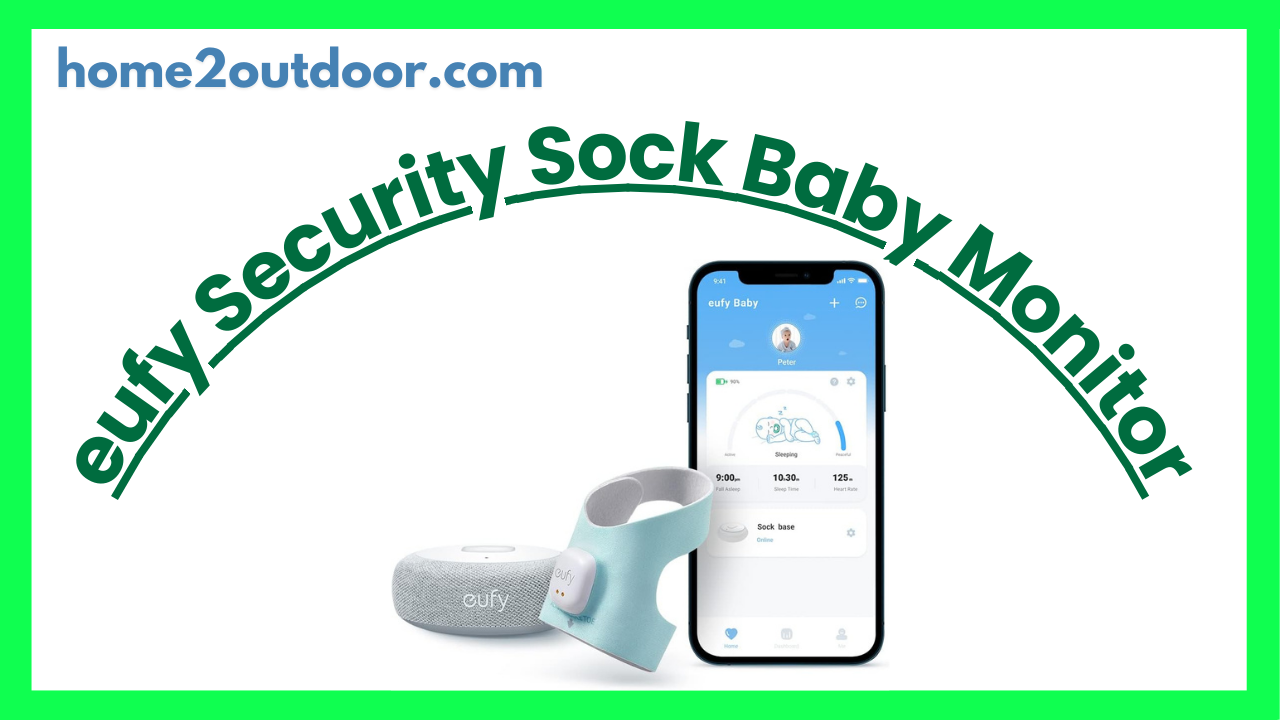
Here’s a detailed summary of the Eufy Baby Smart Sock (also known as the Smart Sock + Camera / Smart Sock Baby Monitor, including models like S320, S340, etc.), what it does well, possible downsides, and things to keep in mind. If you want, I can also compare it with other similar “sock monitors.”
What It Is
The Eufy Baby Smart Sock is a hybrid monitor: the “sock” part is a wearable sensor that tracks a baby’s vitals (heart rate, movement, sleep status, etc.), and there is also a camera + base (or display) component so you can see/hear the baby plus get alerts. It aims to give parents peace of mind by giving both wellness tracking and video monitoring, rather than relying on video or audio alone.
Key Features & Specs
Here are the main features/specs of the Smart Sock system:
| Feature | Details |
|---|---|
| Wearable Sock Sensor | Photoplethysmography sensor for tracking heart rate, movement, sleep status. |
| Sleep Tracking | Real‑time sleep status, daily sleep reports, movement / rest levels. |
| Sizes | Comes in three sizes so it can be used from newborn up to ~18 months. |
| Battery Life | ~24 hours of tracking in the sock sensor on single charge. Charging via a base station (magnetic) for ease. |
| Base / Receiver / Monitor | The base glows green if everything’s good; if there is an issue (sock detached, etc.), a sound + red light alert. The full‑camera versions (e.g. S340) include a 2K resolution camera with pan / tilt / zoom, night vision, sound & temp alerts. |
| No Subscription Fees | All core features, data history, alerts, video, etc., are usable without ongoing subscription. |
| Connectivity / Requirements | Requires a 2.4 GHz WiFi network (with WPA / WPA2 security), minimum upload speed around 2 Mbps. Smartphone (iOS or Android) with the Eufy Baby app. |
| Privacy & Storage | Local storage via microSD (32 GB in some versions) for the camera video; data encryption (AES‑128) for transmissions. |
What’s Good / Strengths
Here are the strong points that parents/users generally like:
- Offers non‑invasive health tracking: being able to see heart rate, movement, sleep status gives more info than just audio or video.
- Comfortable design: soft, washable sock, multiple sizes → more likely to stay on baby and not irritate.
- Full‑featured camera in higher models: pan/tilt/zoom, night vision, temperature & sound alerts. This lets you see the nursery live plus get alerts when something’s off.
- No recurring cost: since there is generally no required subscription for core functionality, it’s more cost‑effective over time.
- Push notifications/alerts + base alerts: you can be alerted via app + via the base station, giving multiple “channels” of warning.
Limitations / Things to Watch Out For
Also, there are trade-offs and some downsides based on user reports:
- False alerts / sensor inaccuracies: Some users report that the sensor occasionally reports drops in heart rate or oxygen that seem false (especially when sock has slipped, the sensor is dirty, or baby is in a weird position). This is typical for wearable sensors.
- Volume / strength of base alerts: Some users say the alerts from the base are not very loud and may not wake heavy sleepers. So you might miss an alarm if you’re used to very loud alerts.
- Lag / connectivity dependency: Because much of the “smart” part depends on WiFi + app, if signal is weak or network is bad, readings or alerts could be delayed. Also, if internet is down, remote functions are compromised.
- Sleep tracking sensitivity: The system sometimes marks movement (even small ones) as “awake” or “restless”, so sleep/wake reports may not perfectly match what parents observe. This can lead to “awake” events in logs that seem too frequent.
- Not a medical device: While it gives readings of vitals, in many places manufacturers include caveats that it should not replace medical monitoring or professional advice. It’s more for peace of mind. (Always good to check with a pediatrician.)
- Power / maintenance: You need to ensure the sock is charged, kept clean, properly placed. If it’s off, wrapped poorly, or battery low, performance degrades.
Fit for Whom / Use Cases
This kind of monitor works best for parents who:
- Want more than just video—i.e. want to track wellness signs (heart rate etc.).
- Value alerts & peace of mind, especially overnight, but don’t necessarily need a video feed all the time.
- Want non‑intrusive tracking (wearable vs sensors under mattress, etc.).
- Are OK with dealing with things like occasional false alerts or manual maintenance (keeping clean, charging, fitting, etc.).
It might be less helpful for people who:
- Need super‑high medical‑grade accuracy (for pre‑term babies, NICU, etc.).
- Want the loudest possible alerts in‑room.
- Prefer simpler / cheaper setups without wearables.